
A lot of things cause arguments at Christmas time. Bad
gifts, cooking disasters and a room full of relatives who spend the rest of the
year apart for a reason… yet few things divide opinion as greatly as the humble
Brussels sprout. Some view them as an essential part of Christmas dinner, and wonder
out loud why they’re not eaten all year round. The remainder silently wonder
what their ancestors were thinking when they made these little Grinch-green
blobs a tradition. Yet dig a little deeper, and the Brussels sprout is a pretty
interesting vegetable. If you find yourself spending less time eating them than
staring at them as they go cold on your plate, why not at least appreciate
these little vegetables for their trivia?
A Sprout Family Christmas
Sprouts smell like cabbages. They taste like cabbages. They
look like miniature cabbages. So it’s fair to assume they’re related to
cabbages. You’d be right- they’re actually the same species. A large number of
our traditional green vegetables are descended from a single wild species,
called Brassica oleracea, or wild
mustard.
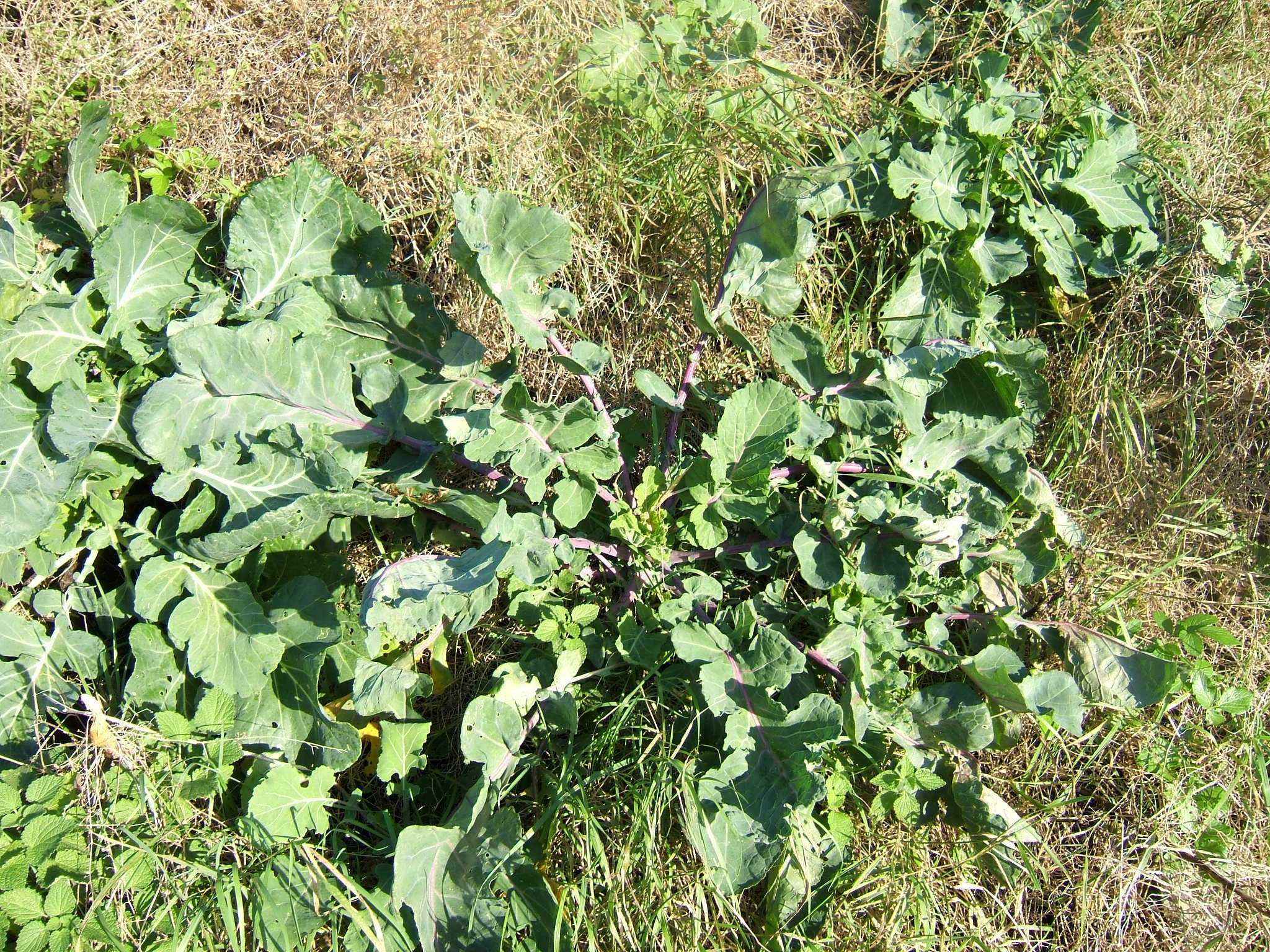 |
| Yum? |
By selectively breeding different parts of the plant to grow large and
edible, humans have created a diverse range of vegetables collectively known as
brassicas. For example, the roots of one lineage have been bred to swell up and form the vegetables we know as
turnips. Cauliflower, as suggested by its name, is literally a bunch of tiny
flowers, as is broccoli. Breeding for exaggerated stems makes kohlrabi, whilst cabbage
and kale are different varieties of leaf, and mustard is obtained from plants
bred for particularly pungent seeds. Brassicas are essentially the domestic dogs
of the vegetable world; a collection of artificial “breeds” so distinct from
one another, you’d be forgiven for thinking they were different species.
The Brussels sprout is descended from the buds of the plant, and the way in
which they grow is unfamiliar to most people. They bud out of a thick central
stem, growing in a spiral formation from top to bottom.

Here’s a fine specimen out the garden. Notice how the older
sprouts towards the base have opened into perfect little cabbage-y florets as
they move beyond the bud stage to become fully-formed leaves.
An acquired taste?
What makes sprouts and other brassicas divide opinion so
much? If your rejection of sprouts leads others to call you a fussy eater, it
might not be your fault-- the distastefulness might actually be written into
your genes. Our tongues are covered in taste receptors, and the most diverse
group of these are the TAS2 receptors, which allow us to detect a whole host of
different bitter compounds. Though having a complex appreciation of the least
popular flavour out there might seem pointless, it’s actually paramount to our
survival: most poisonous substances are bitter, so it pays to be able to detect
them. One gene coding for a particular TAS2 receptor comes in two forms, and
which variety you have determines your ability to taste certain harmless but bitter compounds commonly found in brassica vegetables. People who carry the
sensitivity gene will experience sprouts as being unpleasantly bitter, to the bafflement of non-carriers. This effect is enhanced in young children who carry the sensitivity
gene, as they can detect much lower concentrations of the bitter compounds than
adults. This is partly why some kids learn to love-- or at least tolerate--
sprouts as they get older.
Let it all sprout
Sprouts have a reputation for turning your relatives into a pungent wind orchestra, but why is this? Sprouts contain a lot
of sulphur, and this is either good or bad news, depending on how you look at
it. Farmers actually encourage this in their brassica crops by feeding them
with sulphur-enriched fertiliser; this allows them to produce more sugars and
various nutrients in their tissues, making them both tastier and better for
you. One of these nutrients is called sulforaphane. In the living plant, it’s
deployed to protect against attack from caterpillars and other voracious
plant-predators. When the cooked product gets into our guts, bacteria break
down other compounds in the sprouts to release even more sulforaphane, and then
feast upon it. This results in some sulphur-rich, and thus very noxious, gases.
Inhaling sprout farts might not feel very healthy, but their production is actually pretty good for you. For a start, sulforaphane shows promise as an anti-cancer compound. Bear in mind that although some compounds work well when applied directly to tumours, they don’t always have the same effect when eaten. However, there are ongoing trials into whether a brassica-rich diet could help prostate cancer patients, when taken alongside conventional treatments. Second, manufacturing Brussels sprouts farts might actually ease the uncomfortable build-up of gas many people suffer during the season of indulgence. As your gut microbes feast and make those delightful fragrant gases, they do a lot of work. Just as we breathe in more oxygen when we’re making an effort, the bacteria have to metabolise plenty of methane and hydrogen to fuel their feeding frenzy. This can reduce the overall volume of gases hanging about in your guts. Remember, however, if you’re not used to consuming lots of brassicas and other fibrous vegetables, the volume of gas produced by your gut’s overexcited microbes might cause more discomfort than it solves!
Inhaling sprout farts might not feel very healthy, but their production is actually pretty good for you. For a start, sulforaphane shows promise as an anti-cancer compound. Bear in mind that although some compounds work well when applied directly to tumours, they don’t always have the same effect when eaten. However, there are ongoing trials into whether a brassica-rich diet could help prostate cancer patients, when taken alongside conventional treatments. Second, manufacturing Brussels sprouts farts might actually ease the uncomfortable build-up of gas many people suffer during the season of indulgence. As your gut microbes feast and make those delightful fragrant gases, they do a lot of work. Just as we breathe in more oxygen when we’re making an effort, the bacteria have to metabolise plenty of methane and hydrogen to fuel their feeding frenzy. This can reduce the overall volume of gases hanging about in your guts. Remember, however, if you’re not used to consuming lots of brassicas and other fibrous vegetables, the volume of gas produced by your gut’s overexcited microbes might cause more discomfort than it solves!
Like it or not, sprouts and their relatives are here to stay
as part of a traditional Christmas spread. If you’re blessed with the useless
superpower of being able to taste their bitterness, at least choke down one or
two: your gut bacteria will thank you for it, even if the other people in the
room won’t. Or maybe… just maybe… you’ve gained so much respect for sprouts
through this post that you now feel it would be wrong to eat them. It’s a novel
excuse; you might as well give it a spin.
Merry Christmas!

No comments:
Post a Comment