
Is a snail just a
slug with a house on its back?
Or is a slug just a
naked snail?
There’s no denying that slugs and snails are closely
related. Both have a healthy appetite for greens, hold a reputation for being
slow, and leave a slimy trail wherever they wander. But which one came first?
Slugs and snails belong to a big group of animals called the
molluscs. Their relatives include limpets, mussels, oysters, squids and
octopuses, and the long-extinct ammonite. What you’ll notice about most of
these animals is that they have a shell.
The world’s first mollusc probably possessed one, and aeons later, just a
handful of its descendants have done away with their
portable houses. Shells are the key to molluscs’ success: although they evolved in the sea and need to stay moist, many groups have conquered shorelines and
dry land thanks to their shells, which provide a damp hiding-place for their
vulnerable bodies. They also make a great defence against predators, as anyone
who’s ever tried to prise a limpet off a rock will know.
The ancestor of slugs was probably very snail-like, but over
millions of generations, their shells became smaller and less important. Some
species even carry around an adorable little remnant of their former shells,
like a tiny backpack.

Why would any self-respecting mollusc evolve to go naked,
though? Despite their usefulness, there are some situations where having a
shell is a bit of a drag. Shells can only protect you from a certain amount of
attack before they break, and some predators have evolved clever ways of getting
into them.
 |
| The "whack it til it breaks" method |
 |
| The "gravity-assisted" method |
Growing a stronger shell isn't always an option, as it requires a lot of nutrients like calcium, and for mobile molluscs like snails, carrying such a heavy load can only make them slower! Therefore, sometimes the best strategy is to hide away from predators in cracks and crevices. Whilst snails can get into some very snug spots, the streamlined bodies of slugs are much better adapted to burrowing and fitting into small gaps. This is why they often turn up uninvited in people’s houses, by squeezing underneath doors, up plugholes, and through holes made for wiring or pipes in walls.
 |
| "Honey, I'm home!" |
Fitting into tight spaces also helps slugs to find somewhere cool and shady when the sun is bright, getting around the loss of their climate-controlled shells. But slugs can’t stay under cover forever. They have to emerge to feed, potentially making them vulnerable to predators. I say "potentially", because slugs don't have many enemies thanks to their rather unpleasant defense strategy. Anyone who allowed creepy crawlies to explore their hands as a child will know that the slime of slugs and snails feels very different. Whilst a snail trail easily rubs or washes off your skin, handling a slug will make you feel as if a tube of PVA glue has been emptied over your hands, and as the slime easily absorbs water, it needs more than a good rinse to wash it off. Eating a slug with its tough, rubbery skin and mouth-clogging, grooming-resistant slime is not an appetising experience for most animals, so the majority leave them in peace.
Slugs aren’t the only mollusc to ditch their shells for a
different lifestyle. During the Jurassic period, the sea was full of ammonites;
like snails, these animals retreated into their shells and sat tight when under
attack, sacrificing their ability to swim fast. However, only one of their
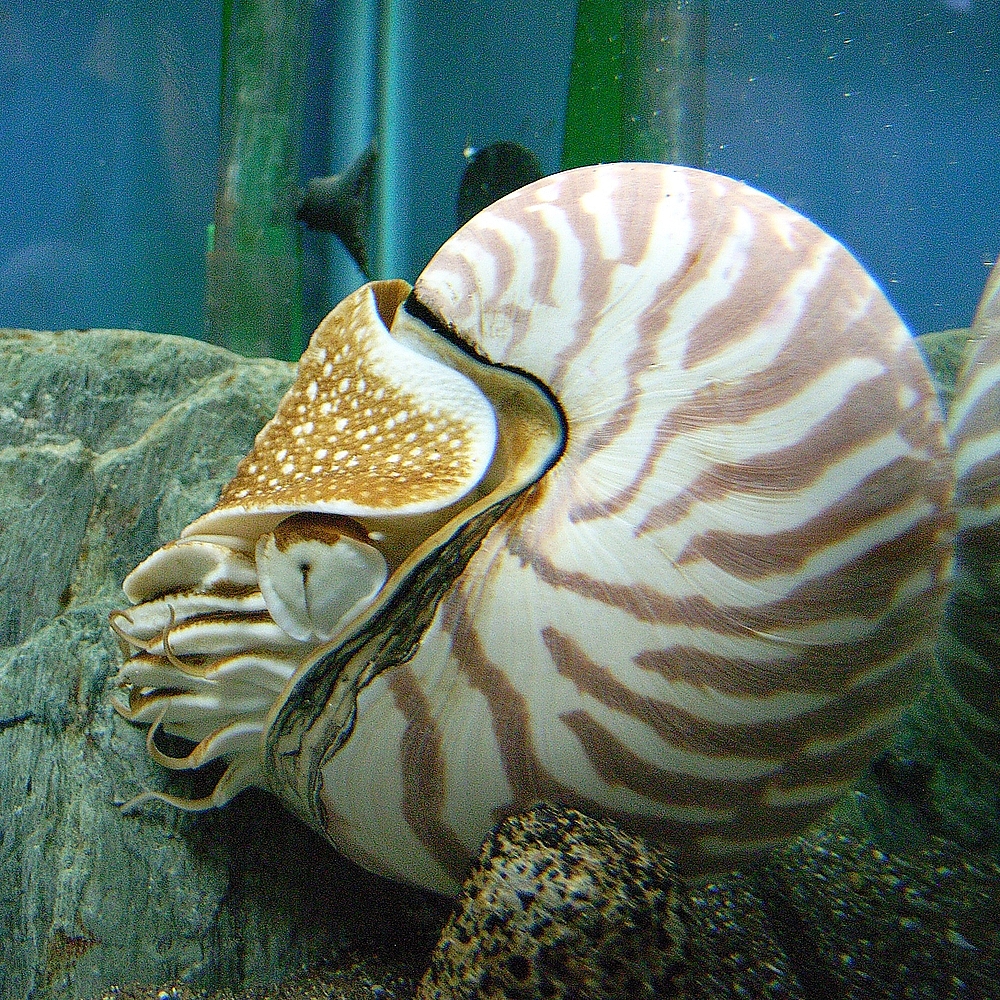
descendants has kept its shell to this day—the rare but beautiful Nautilus.

Cuttlefish and squid have shrunk their shells and relocated them to the inside of their bodies, with some species using them as a buoyancy device—this is the cuttlefish “bone” that you can find washed up on beaches. Meanwhile, the octopus family has gone one step further, getting rid of their shells entirely. This makes them masters of changing shape and fitting into impossibly small spaces, giving them the upper hand both in hiding from predators and ambushing prey.
Cuttlefish and squid have shrunk their shells and relocated them to the inside of their bodies, with some species using them as a buoyancy device—this is the cuttlefish “bone” that you can find washed up on beaches. Meanwhile, the octopus family has gone one step further, getting rid of their shells entirely. This makes them masters of changing shape and fitting into impossibly small spaces, giving them the upper hand both in hiding from predators and ambushing prey.
These amazing animals show that there’s a lot to be said for coming out of your shell. Whilst most of their relatives still cling
to the comfort and safety of their ancestral defenses, slugs demonstrate that with
a bit of ingenuity (and a whole lot of natural selection), life in the nude
isn’t so bad after all. Why more people haven't adopted them as their inspiration in life...

...I have no idea.
...I have no idea.
